
Un bel article publié par Jon & Aline après leur visite à Grain&Sens lors de la pépinière oasis 2026!
Read moreResilient Youth Methodological Guide Now Available in English!
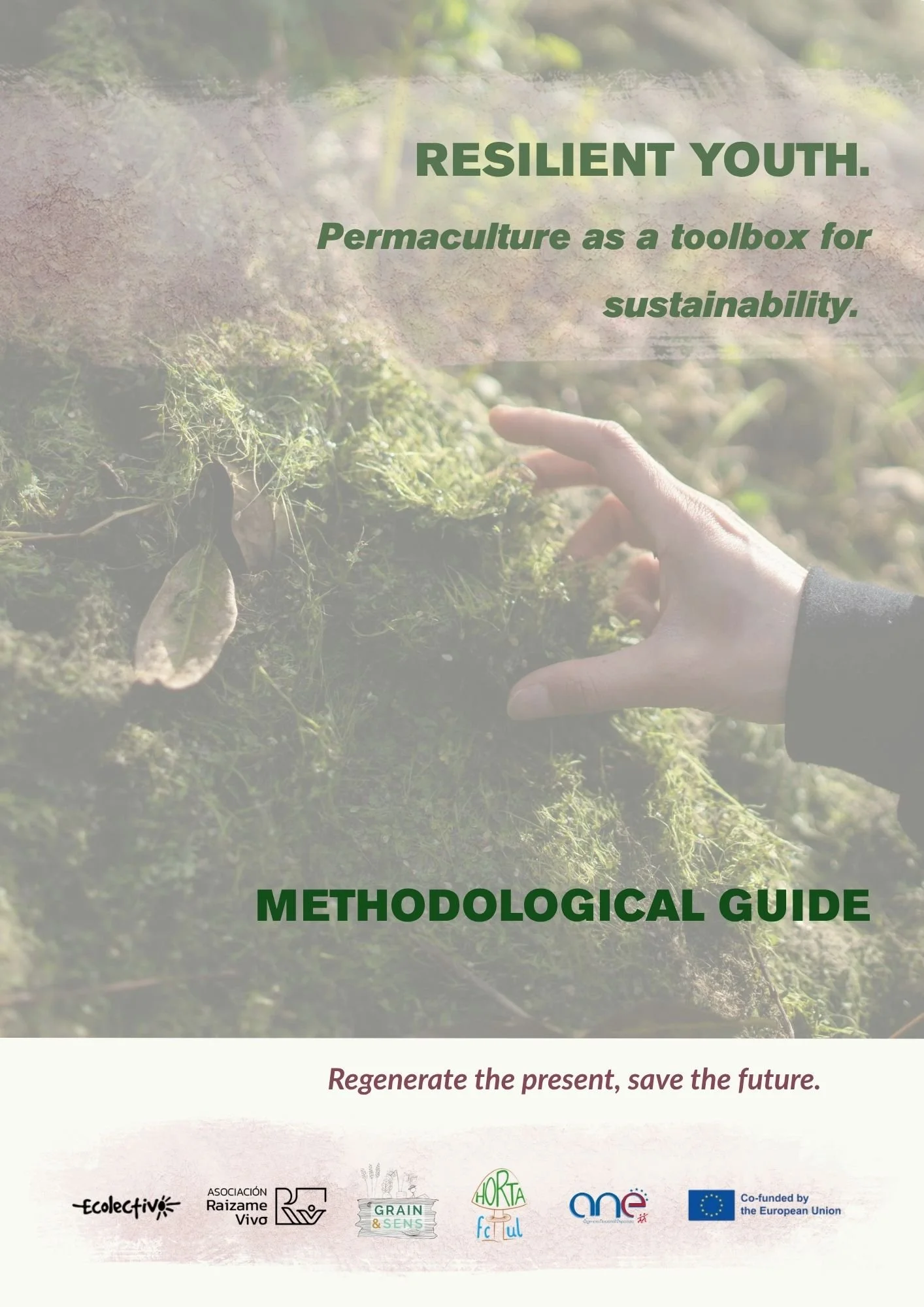
Après 20 mois du projet Resilient Youth, nous sommes très heureux·ses de pouvoir enfin partager, après tant de travail invisible, de rencontres, de formations et d’activités internationales et locales, NOTRE GUIDE MÉTHODOLOGIQUE !
Une ressource collective créée par de nombreuses professionnelles, qui rassemble des outils, des dynamiques et des méthodologies pour travailler la permaculture et la durabilité systémique de manière pédagogique avec les jeunes.
Le guide est disponible (bientôt) en cinq langues (galicien, espagnol, anglais, français et portugais) et peut être utile aux professionnel·les de la jeunesse, travailleurs/euses sociaux·ales, éducateur·rices, collectifs, centres éducatifs et personnes intéressées par la création de processus plus participatifs, conscients et résilients. Aussi pour les personnes simplement intéressées par ces thématiques.
Le guide est disponible en anglais ici. Nous travaillons à sa traduction en français et le partagerons dès qu'il sera prêt !
Merci à toutes les personnes, organisations et communautés qui ont fait partie de cette aventure collective :
Ecolectivo, RaizameVivo, HortaFCUL et Grain&Sens.
Et merci au programme Erasmus+ pour avoir soutenu et rendu possibles ces activités.
RISE - Retour sur une expérience Erasmus+ en Slovaquie à Ekokomunita Sekier
An Inner and Outer Journey Through Nature, Self, and Community
From the 8th to the 16th of July 2025, 27 youth workers gathered in Slovakia, hosted at Ekokomunita Sekier - an intentional community nestled in the hills and embraced by the surrounding forest.
Read moreNos amies a La Droguerie – tiers lieu militant - recrute un.e Cuisinière!
Aujourd’hui, leur équipe cherche a s’agrandir!
Read moreAssises Dehors 2026 : un temps de soins pour Lavenant
Pour la 3ème fois nous avons organisé une semaine de chantiers participatifs afin de prendre soins des lieux de Lavenant avant le début de la grande saison d’accueil de l’été.
Une sorte de grand ménage de printemps pour les espaces extérieurs et les espaces d’accueil.
2025: Une page se tourne pour Grain&Sens // 2025: The turning of a page for Grain&Sens
L'année 2025 a été marqué par de nombreux changements pour le collectif Grain&Sens. Dans cet article, nous souhaitons vous faire part de cette évolution. // 2025 represented a lot of changes for the collective, Grain&Sens. In this article, we would like to share some of that movement with you.
Read moreLa dernière chasse d'eau
Au mois de mai on a installé des toilettes sèches dans tous les habitats de Lavenant et dit adios aux toilettes à l’eau. Par cette action de dire stop aux toilettes à l’eau, au domaine de Lavenant on ne produit plus d’eaux vannes (eux usées des toilettes) mais que des eaux ménagères (hygiène, vaisselle, machines à laver) .
Et dans une démarche de plus en plus écologique, un nouveau abris pour le bon compostage des toilettes sèches à été construit et un système de Pédo-épuration a pu être installé.
Programmation Hiver 2026

Une nouvelle serre s’élève
J'ai officiellement déclaré Lavenant Gardens comme entreprise agricole individuelle à mon nom. J'ai reçu la visite d'un conseiller de la Chambre d'Agriculture qui a examiné les jardins et m'a répété la même chose qu'à tous les maraîchers qui s'installent : monter une serre. Il m'a présenté les différentes subventions possibles via le fonds européen agricole pour le développement rural (FEADER), avec le soutien du département et de la région. J'ai rapidement commencé à chercher un emplacement pour la serre et, après discussion avec le collectif, nous avons élaboré un plan et un dossier de demande de subvention.
Read moreASSISES DEHORS 2025 : 5 JOURS DE SOIN ET D’INTENTION AU DOMAINE DE LAVENANT

Depuis bientôt 7 ans, les membres actifs de l’association font tout leur possible pour mettre à disposition un cadre exceptionnel au Domaine de Lavenant. De nombreuses personnes ont été touchées par le lieu. C’est pourquoi, nous avons décidé d’inviter toutes celles et ceux qui le désirent à donner de son temps pour prendre soin de Lavenant avant le début de la saison.
Read moreNotre première semaine de "Vacances Immersive"!
Nous avons eu une expérience formidable en partageant avec les gens comment nous fonctionnons en tant que collectif : comment nous organisons des réunions, comment nous travaillons, comment nous mangeons, comment nous jouons, etc. Lisez la suite pour deux témoignages de participants sur leur expérience !
Read moreRetour sur notre premier cours de permaculture certifié avec Starhawk & Alfred Decker //Looking back on our first permaculture Design course with Starhawk & Alfred Decker

Du 11 au 24 août, j’ai participé à un Cours Certifié de Permaculture, animé par Starhawk et Afred Decker au sein de l’écolieu Grain&Sens. Le cours s’appelle Earth Activist Training et c’est la deuxième fois qu’il est dispensé en France par cet atypique duo de formateurs.
Read moreCompost
Today I had the joy of working on the garden compost with Shelby. When I say joy, I really mean it. I give this precision because I am renowned for not being good with smelly things. But, here, there was just the lovely smell of soil and hay.
Read moreBird rescue
This is the end of the summer and the birds are chirping all around us. As I am listening to their songs, it reminds me a wonderful moment that I’d like to share with you:
Read moreBonne année 2024 !! Ce n'est pas trop tard ...
Bonne année 2024
de la part de tout l’Oasis Grain&Sens!
Summer 2023 : A testimony from one of our first Seasonal Volunteers!
For the first time in 2023, the collective decided to try and find two compagnons to join the collective for the summer season. Grain&Sens proposed food and lodging in exchange for help in Lavenant’s functioning during our bussiest season. Missions included gardening, cooking, cleaning, transforming, seed saving and more!
Read moreThe Growing Season 2023 Review

A typical September harvest
The garden season of 2023 was filled with experimentation, successes, challenges, learning lessons, and, of course, lots of vegetables. It was my first season managing the gardens and it was the first season at Grain & Sens in which vegetables from the garden were sold.
Read moreLavenant sous les premières neiges de 2023!
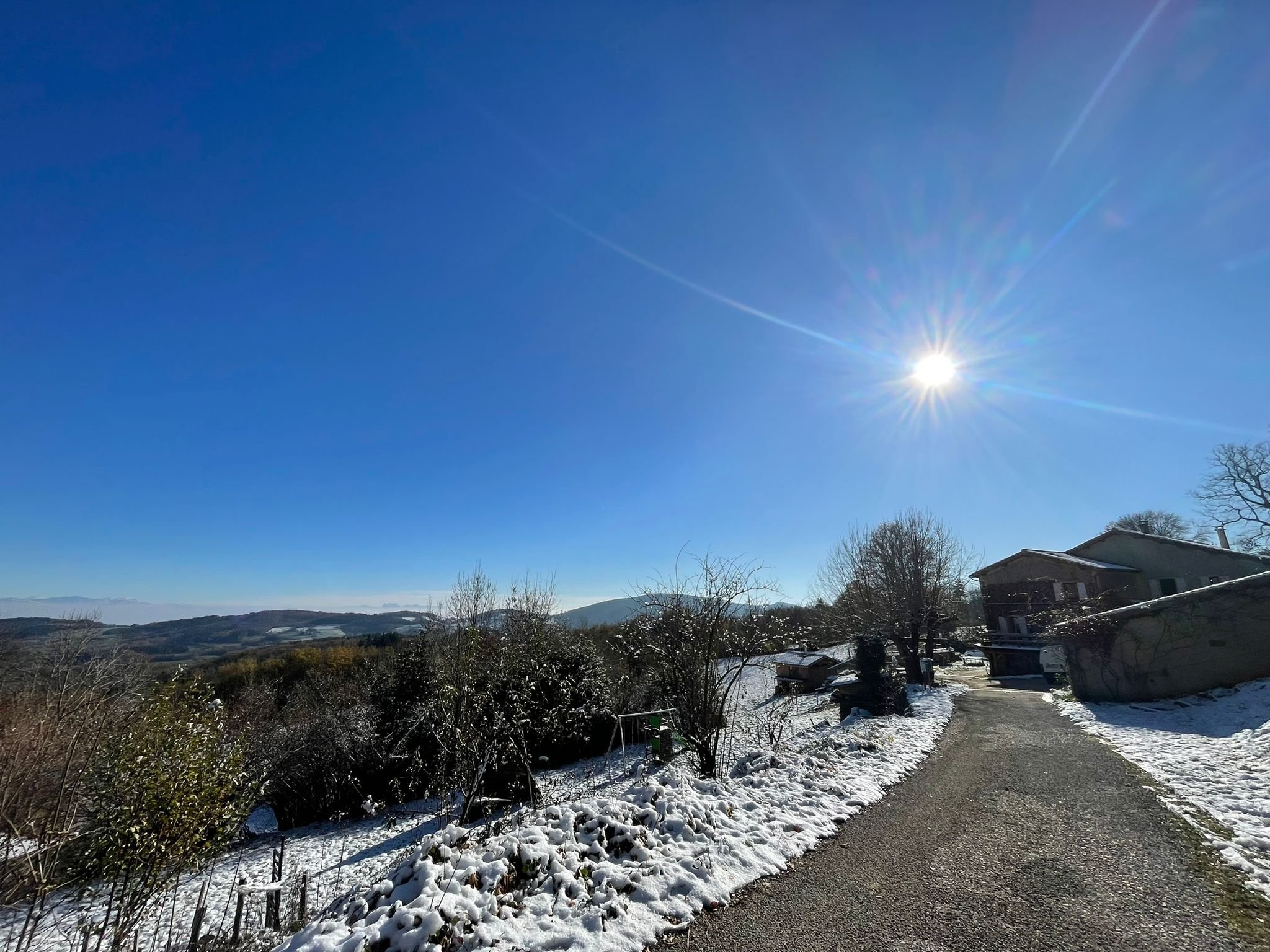
Le premier week-end de décembre, les premières neiges sont tombées. Quelques partages de photos du lieu pour se saisir de l’hiver ;)
Read more1er séjour ERASMUS + à l'Oasis Grain&Sens!

Du 20 au 26 septembre 2023 a eu lieu le 1er séjour Erasmus + à l’oasis Grain&Sens autour de la création de Youth exchange. Voici le résumé (en anglais) écrit par les participants:
Read moreVillage des Bois été 2023 en Image !
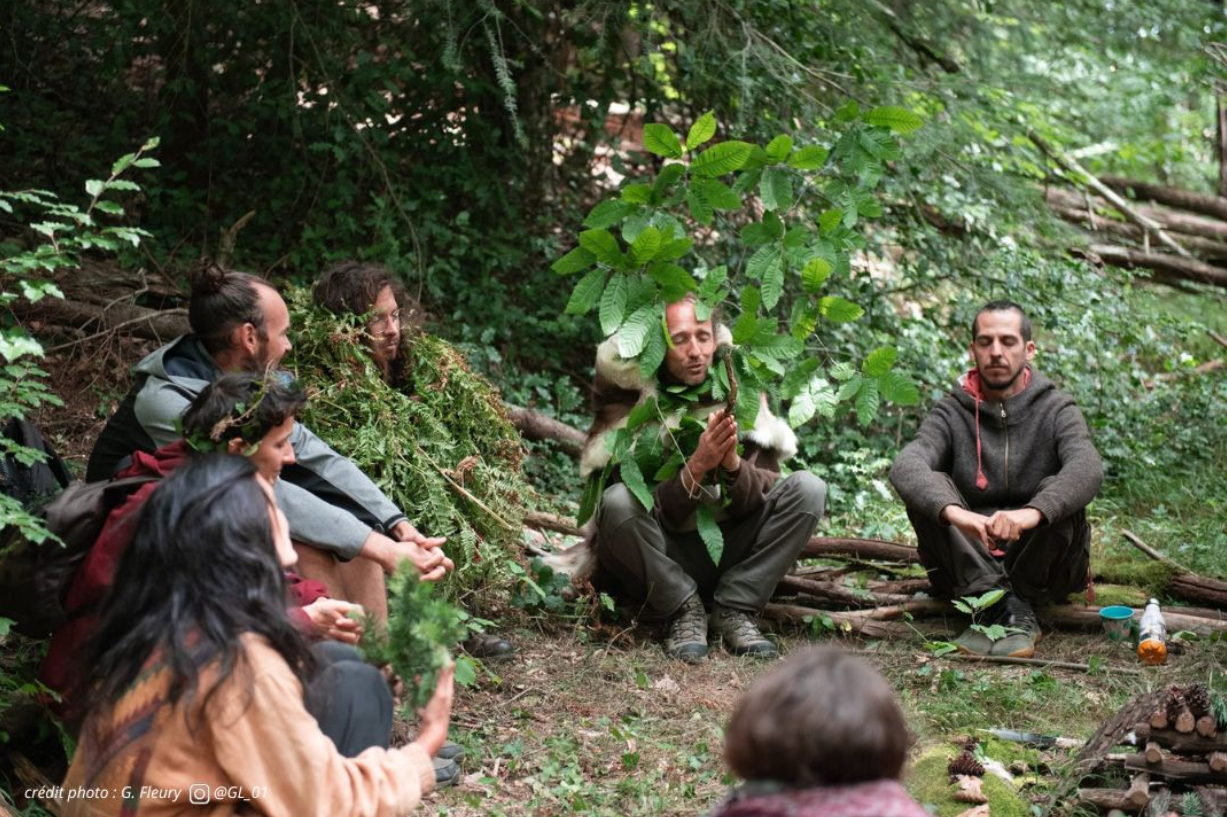

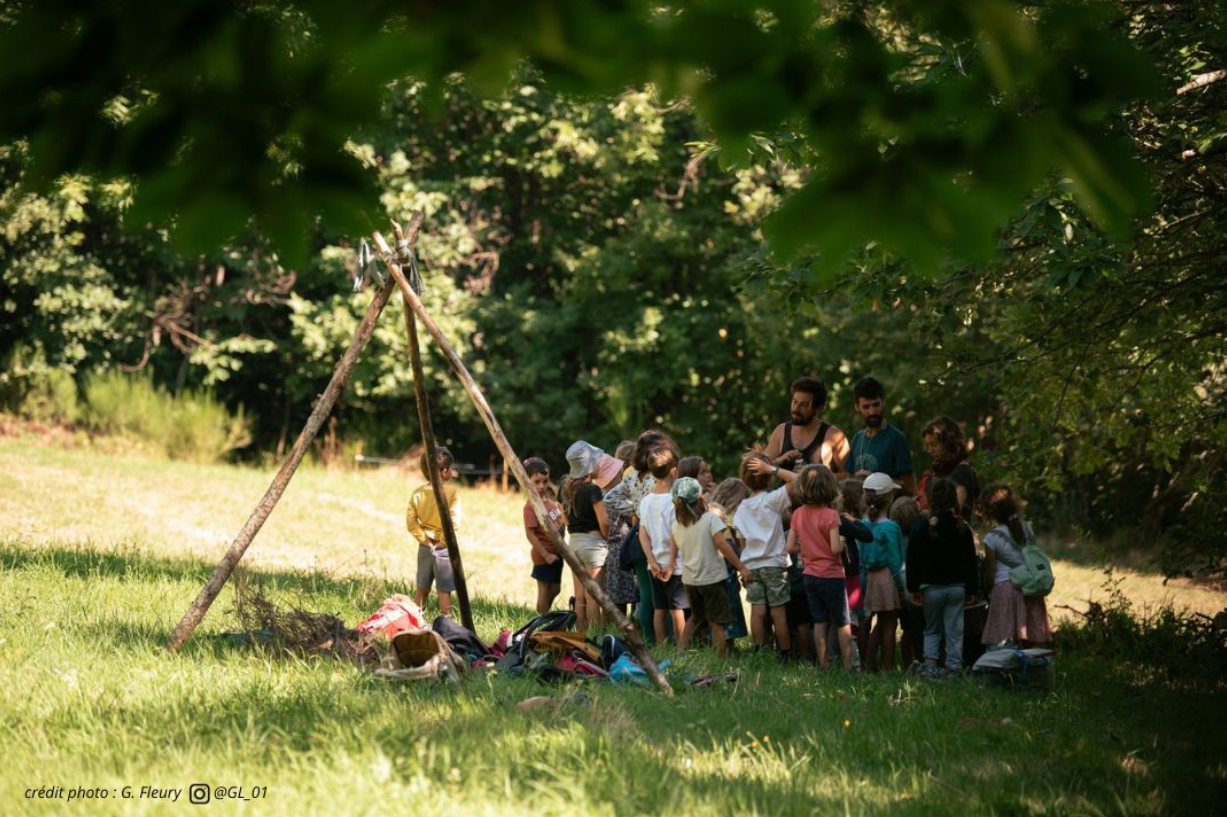
Un village soutenue par les énergies du vivant….. Retour en image sur l’édition de l’été 2023 de Village des Bois à l’Oasis Grain&Sens.
Read more